
Coolant Delivery Hose: Complete Guide for Liquid Cooling Transportation
Coolant delivery hose is a dedicated pipeline for transporting various coolants in heat dissipation and thermal control systems. It continuously delivers glycol, deionized water and dielectric coolant from pumps to heat sinks, cold plates and radiators to take away excess heat. High-quality coolant delivery hose prevents seepage, swelling and pipeline blockage, while inferior coolant delivery hose may trigger equipment short circuit and production halt. Whether for PC water cooling, data center cooling or industrial machinery thermal management, reliable coolant delivery hose is the basic guarantee of normal system operation.
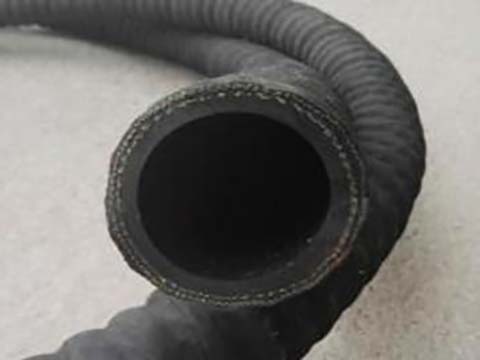
The mainstream materials of coolant delivery hose each have unique applicable scenarios. Silicone coolant delivery hose has soft texture and strong bending resistance, suitable for small cooling loops of gaming computers and precision instruments. EPDM coolant delivery hose features low coolant permeability and oxidation resistance, fit for 24-hour uninterrupted industrial cooling circulation. PTFE coolant delivery hose resists chemical erosion of complex coolants, commonly used in semiconductor and laboratory equipment. Braided reinforced coolant delivery hose enhances pressure resistance for large-flow industrial coolant transmission.
Standard coolant delivery hose has multiple structural advantages for long-term delivery work. Smooth inner wall reduces fluid resistance, reduces pump power consumption and improves coolant circulation speed. Multi-layer thickened pipe wall avoids kinking during wiring and will not expand under long-term hydraulic impact. Qualified coolant delivery hose can adapt to wide temperature fluctuations, without hardening, cracking or aging in high and low temperature environments.
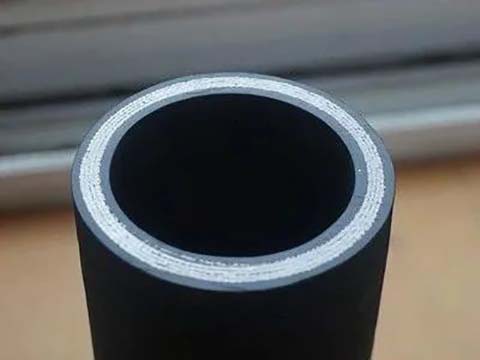
Coolant delivery hose covers a full range of civil and industrial application fields. DIY computer modders choose transparent colored coolant delivery hose to assemble personalized water cooling rigs for overclocked CPUs and GPUs. Data centers use large-caliber coolant delivery hose to connect cooling distribution units and server cold plates to realize efficient chip heat dissipation. New energy storage systems, laser processing equipment and high-power inverters also need supporting coolant delivery hose to complete stable coolant circulation.
Several core parameters must be confirmed before buying coolant delivery hose. Match the inner and outer diameter of coolant delivery hose with your pipe connectors, check the rated working pressure and temperature resistance range according to the working environment, and select the material based on the coolant type you use. Never use ordinary thin-walled hoses instead of professional coolant delivery hose, as coolant leakage will cause irreversible damage to expensive precision equipment.
In general, coolant delivery hose undertakes the core task of coolant transportation in all heat dissipation systems. Choosing certified and durable coolant delivery hose can effectively reduce maintenance frequency, extend the service life of heat-generating equipment, and maintain continuous and efficient heat dissipation performance under long-term heavy load operation.


Leave Your Product Requirements
Your email address will not be published. Required fields are marked *